Breast augmentation is performed to add volume and fullness to the breasts through placement of implants. This can enhance or rejuvenate the shape and contours of the breasts while providing a curvier silhouette. Whether you are unhappy with the size of your breasts, you have experienced a loss of volume after pregnancy, or you would simply like to attain a better fit in clothing, breast augmentation is known for its exceptional results. As one of the most frequently performed plastic surgery procedures available, breast augmentation has helped countless women enhance their breasts and their confidence.
Breast hypoplasia is characterised by a breast volume that is insufficiently developed in comparison to the patient’s morphology. It can exist intrinsically (small breasts since puberty) or appear secondarily after a significant weight loss or a pregnancy followed by breastfeeding. It can be isolated or associated with ptosis, that is, sagging of the gland and distension of the skin.
An augmentation mammoplasty consists of correcting a breast volume considered inadequate by insertion of implants behind the mammary gland. All the breast implants currently used are composed of an envelope and a filling product. The envelope is always made of elastic silicone (a silicone elastomer). It may be smooth or rough. This aesthetic surgery cannot be reimbursed by health insurance.
patient 005
1m60 • 58kg
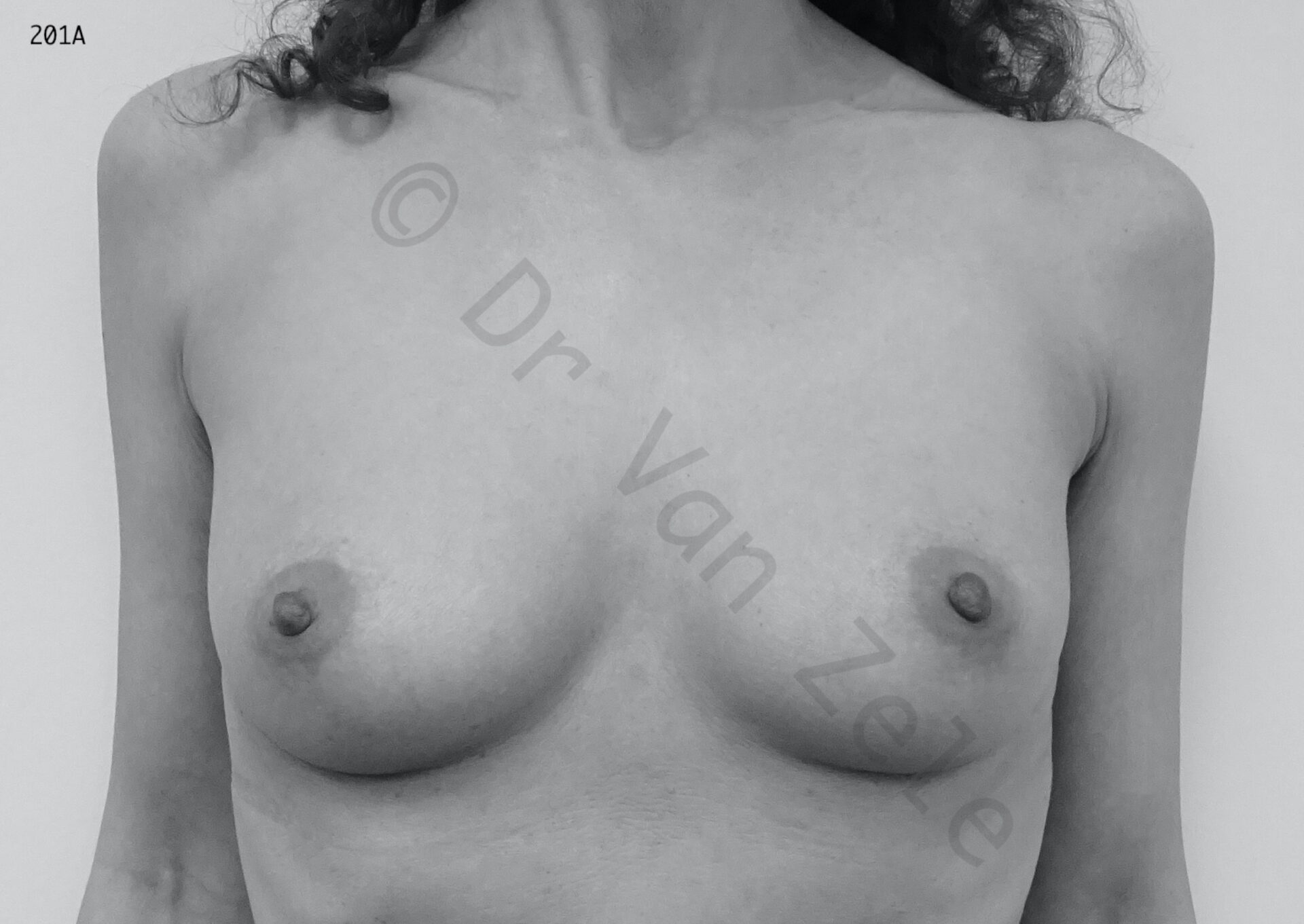
voor 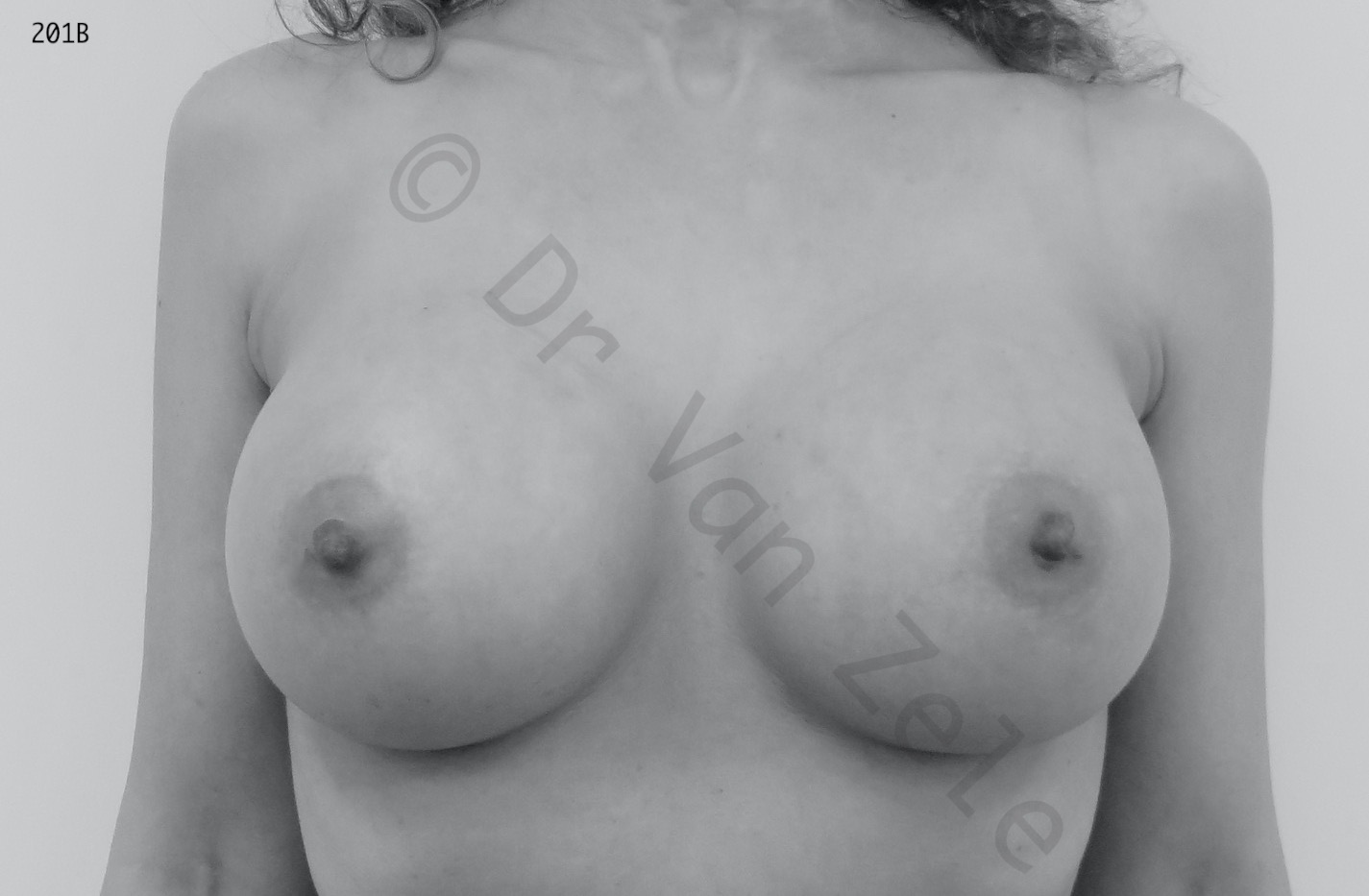
na patient 004
1m60 • 60 kg • 300cc High P
voor na patient 003
1m60 • 60 kg
voor na patient 002
1m60 • 60 kg
voor na patient 001
1m60 • 60 kg
voor na
Breast hypoplasia is characterised by a breast volume that is insufficiently developed in comparison to the patient’s morphology. It can exist intrinsically (small breasts since puberty) or appear secondarily after a significant weight loss or a pregnancy followed by breastfeeding. It can be isolated or associated with ptosis, that is, sagging of the gland and distension of the skin.
An augmentation mammoplasty consists of correcting a breast volume considered inadequate by insertion of implants behind the mammary gland. All the breast implants currently used are composed of an envelope and a filling product. The envelope is always made of elastic silicone (a silicone elastomer). It may be smooth or rough. This aesthetic surgery cannot be reimbursed by health insurance.
patient 004
1m60 • 60 kg • 300cc High P
voor na patient 003
1m60 • 60 kg
voor na patient 002
1m60 • 60 kg
voor na patient 001
1m60 • 60 kg
voor na
Breast hypoplasia is characterised by a breast volume that is insufficiently developed in comparison to the patient’s morphology. It can exist intrinsically (small breasts since puberty) or appear secondarily after a significant weight loss or a pregnancy followed by breastfeeding. It can be isolated or associated with ptosis, that is, sagging of the gland and distension of the skin.
An augmentation mammoplasty consists of correcting a breast volume considered inadequate by insertion of implants behind the mammary gland. All the breast implants currently used are composed of an envelope and a filling product. The envelope is always made of elastic silicone (a silicone elastomer). It may be smooth or rough. This aesthetic surgery cannot be reimbursed by health insurance.
patient 004
1m60 • 60 kg • 300cc High P
voor na patient 003
1m60 • 60 kg
voor na patient 002
1m60 • 60 kg
voor na patient 001
1m60 • 60 kg
voor na
Breast hypoplasia is characterised by a breast volume that is insufficiently developed in comparison to the patient’s morphology. It can exist intrinsically (small breasts since puberty) or appear secondarily after a significant weight loss or a pregnancy followed by breastfeeding. It can be isolated or associated with ptosis, that is, sagging of the gland and distension of the skin.
An augmentation mammoplasty consists of correcting a breast volume considered inadequate by insertion of implants behind the mammary gland. All the breast implants currently used are composed of an envelope and a filling product. The envelope is always made of elastic silicone (a silicone elastomer). It may be smooth or rough. This aesthetic surgery cannot be reimbursed by health insurance.
patient 004
1m60 • 60 kg • 300cc High P
voor na patient 003
1m60 • 60 kg
voor na patient 002
1m60 • 60 kg
voor na patient 001
1m60 • 60 kg
voor na
Breast hypoplasia is characterised by a breast volume that is insufficiently developed in comparison to the patient’s morphology. It can exist intrinsically (small breasts since puberty) or appear secondarily after a significant weight loss or a pregnancy followed by breastfeeding. It can be isolated or associated with ptosis, that is, sagging of the gland and distension of the skin.
An augmentation mammoplasty consists of correcting a breast volume considered inadequate by insertion of implants behind the mammary gland. All the breast implants currently used are composed of an envelope and a filling product. The envelope is always made of elastic silicone (a silicone elastomer). It may be smooth or rough. This aesthetic surgery cannot be reimbursed by health insurance.
patient 001
1m60 • 60 kg
voor na
Comprehensive care
From the first consultation to the last check-up
00 Consultation
Understanding your body is an important first step. Every procedure is preceded by a thorough consultation. Together with your doctor, you discuss the different treatment options. This gives you a clear understanding of the procedure and the possible risks and consequences.
01 Procedure
As a recognized association of physicians, we are affiliated with the academic hospital Sint-Augustinus in Wilrijk. If you undergo a more extensive procedure that requires an overnight stay, it will take place there. This allows you to recover calmly after your operation with the necessary care.
02 Recovery
After your operation, you can continue to rely on the necessary support and care. Your doctor and the nursing staff are available day and night and will guide you until you have fully recovered. In addition, you will receive advice on appropriate nutrition, clothing, and movement, so you can rehabilitate in a healthy and effective way.
03 Aftercare
A first follow-up appointment with your doctor takes place after a few weeks. Your wounds are checked and any stitches are removed. If further follow-up is needed, an additional appointment will be scheduled so that we can closely monitor your recovery.